
Find Cheap Ammo Deals Without Sacrificing Quality
When a shooter needs to restock for a weekend range session, discount ammo provides a practical way to secure reliable rounds without straining a tight budget. This ammunition is typically surplus, overstock, or bulk-packed factory seconds that still meet functional safety standards, offered at reduced prices per round. By purchasing in larger quantities—such as 500 or 1,000 rounds—you unlock deeper per-unit savings while keeping the same caliber and grain weight your firearm requires. Always verify the lot’s manufacturing date and visual condition before firing, ensuring consistent performance at a fraction of retail cost.
Why Picking Up Budget-Friendly Rounds Doesn’t Mean Sacrificing Performance
Choosing budget-friendly rounds doesn’t mean sacrificing performance when the discount comes from packaging, bulk purchasing, or overstock, not from looser tolerances. A factory seconds or white-box load still uses the same powder charge, bullet weight, and primer as its premium counterpart—only the marketing gloss is stripped away. For range work, drills, and zeroing, these rounds deliver identical accuracy and velocity consistency because the manufacturing line hasn’t changed. The key is to buy from reputable brands selling surplus or direct-to-consumer batches, then verify your gun’s cycle reliability with a quick function test.
You pay less for the label, not for the launch—so your groups stay tight while your wallet stays thicker.
What Actually Determines the Lower Price Tag on Bulk Cartridges
Bulk cartridges carry a lower price tag primarily because of streamlined production runs and simplified packaging, not inferior components. Manufacturers load these rounds in massive, continuous batches, which minimizes machine changeover time and labor costs per unit. You are also paying less for brass case finishing—bulk lots often skip polishing or heavy crimping steps that add nothing to ballistic performance. Additionally, the powder charge and bullet weight are held to the same spec but with slightly wider tolerances, reducing the reject rate and waste that drives up cost on premium lines. Crucially, bulk ammo pricing reflects economies of scale, not reduced accuracy or reliability, since the core recipe—primer, case, powder, projectile—remains identical to boxed counterparts.
How Modern Manufacturing Keeps Costs Down Without Cutting Corners on Safety
Modern manufacturing keeps costs down without cutting corners on safety by leveraging high-speed automation that precisely meters powder charges, eliminating costly manual errors while ensuring consistent ballistics. Advanced case-hardening and electroplating processes reduce material waste, allowing budget-friendly rounds to maintain structural integrity under pressure. Computer vision systems inspect every primer pocket and case wall, flagging defects instantly so substandard units never reach the consumer. This efficiency means affordable ammunition safety protocols remain embedded in the production line itself, not as an added expense.
- Automated pressure testing samples batches in real time, verifying performance without slowing output.
- Heat-treatment cycles are optimized for durability, preventing split cases even at lower 9×18 Makarov Ammo for Sale price points.
- Dry-lube coatings reduce friction and 9.3x62mm Mauser Ammo for Sale fouling, extending barrel life without costly additives.
Understanding the Difference Between ‘Cheap’ and ‘Genuinely Good Value’
Understanding the difference between “cheap” and “genuinely good value” in discount ammo starts with evaluating cost per round against consistency. A low price means nothing if velocity fluctuates wildly or cases split, forcing you to re-zero or clear malfunctions. Genuine value appears when budget-friendly rounds deliver reliable ignition, uniform bullet seating, and acceptable accuracy for your intended use—whether that is plinking or defensive practice. Compare your actual hit rates and group sizes at typical distances, not just the sticker price. Genuinely good value discount ammo saves money without adding hidden costs like squib loads, damaged brass that jams your gun, or extra cleaning time. Cheap ammo often reveals itself through failures; good value reveals itself through boring, repeatable performance.
Cheap is measured by price alone; genuinely good value is measured by reliable, consistent performance per dollar spent.
How to Spot High-Quality Deals When Shopping for Ammunition Online
When hunting discount ammo, the lowest price per round is a trap if the lot is old or corroded. Check the product page for the manufacture date and headstamp; fresh, factory-sealed boxes from major brands like CCI, Federal, or Sellier & Bellot are your baseline. Compare the discount against current retail for the same SKU—if the savings exceed 20%, verify it’s not remanufactured or pulled bullets. Read recent reviews for function tests in YOUR firearm’s platform, specifically noting any failure-to-feed patterns.
The best deal is one where the per-round cost drops, but the lot number matches a batch with verified velocity and grouping data online.
Avoid mystery white-box batches with no lot traceability, and always factor in shipping—that “cheap” crate loses value if hazmat fees erase the margin. Finally, confirm the vendor’s return policy on damaged primers; a high-quality deal allows you to reject a bad box without a restocking fee.
Key Markers of Reliable Remanufactured and Overrun Stock
Reliable remanufactured and overrun stock hinges on verifiable markers. Check .50 Cal Ammo for Sale for a headstamp matching the listed caliber and manufacturer, as mismatches signal poor sorting. Demand crimp-sealed primers and sealed case mouths; these indicate moisture protection and consistent assembly, especially on overrun military contract loads. For remanufactured rounds, require a visible resizing mark or a manufacturer’s QA stamp on the box, proving they passed inspection. Additionally, examine the cartridge case length—measuring a sample against SAAMI specs reveals improper trimming. Finally, confirm the powder charge is consistent by weighing a random sample of ten rounds; a variance under 0.1 gram suggests reliable production. These markers differentiate genuine bargains from hazardous batches.
Reading Ballistic Data and Primer Types on Budget Boxes

When evaluating budget ammunition, the printed ballistic data—muzzle velocity and energy—often reveals the true cost-cutting. Cheaper loads may list a slower velocity, which directly impacts trajectory and requires you to re-zero your optic. Scrutinize the primer type indicated on the box; if it specifies “berdan” instead of “boxer,” the cases are non-reloadable and reduce long-term value. For a logical check, analyze the powder charge if listed, comparing it against known performance standards for that grain weight. A significant deviation from standard factory loads signals inconsistent pressure. Finally, prioritize boxes where the ballistic data is printed with specific numbers, not vague descriptions like “high velocity,” as vague labeling usually masks subpar performance. Look for consistent primer seating indicators, like a flat, even rim on the primer pocket, which suggests quality control during manufacturing.
- Compare listed muzzle velocity to the standard for that caliber and bullet weight.
- Identify primer type to determine reloadability and ignition reliability.
- Check for any numerical pressure or powder data to assess load consistency.
Why Buying in Bulk (500 or 1,000 Rounds) Unlocks the Best Per-Round Price
When you scale an order 7mm Rem Ultra Mag Ammo for Sale to 500 or 1,000 rounds, you directly amortize fixed shipping costs, hazmat fees, and packaging overhead across a larger unit count, which mechanically collapses the price per box. Retailers structure tiered discounts specifically to reward this volume, so the marginal cost of the 501st round is often 10–20% lower than the first 50. This bulk discount threshold also lets you lock in a single acquisition cost, protecting your effective per-round rate from future price creep. Instead of paying retail markup on five separate orders, you pay one compressed logistics fee, making your total cost per case measurably lower than any small-lot purchase.
Buying 500 or 1,000 rounds splits fixed fees across more units, unlocking the lowest achievable per-round price.
Matching Low-Cost Loads to Your Specific Firearm and Use Case
Matching low-cost loads to your specific firearm and use case starts with checking your barrel’s twist rate and rifling—buying discount ammo that’s too light or heavy for that twist will wreck accuracy before you even squeeze the trigger. For plinking and training drills, a bulk 115-grain FMJ is fine, but if your pistol has a compact barrel under 4 inches, you might find cheaper 124-grain loads cycle more reliably because they generate more backpressure. For a rifle specialty sports and supply used in competition, skip the bargain subsonic stuff; it won’t stabilize in a 1:7 twist and your shots will keyhole. Match the discount round’s bullet weight and velocity to your gun’s recoil spring weight—too weak a load causes stovepipes, too hot a load beats up your frame. Also, verify your firearm’s chamber supports steel-case discount ammo; if it’s a tighter match barrel, stick to brass to avoid stuck extractions. Cheap ammo only pays off when the load matches your firearm’s specs and your intended distance—otherwise, you’re just wasting money on misses.
Choosing the Right Grain Weight for Target Practice vs. Home Defense
For target practice, prioritize the same grain weight for your defensive load to maintain identical point-of-aim and recoil impulse, but buy the cheapest bulk variant available—often a lighter 115gr or 124gr FMJ in 9mm. At the range, this saves money without compromising skill-building. For home defense, select a heavier 147gr or 135gr bonded hollow point 6mm Remington Ammo for Sale that penetrates barriers consistently and cycles reliably in your specific pistol’s barrel twist. Cheap training ammo that feels different from your carry load will subtly corrupt your muscle memory under stress. Follow this sequence:
- Confirm your firearm’s optimal grain range in the manual or via test groups.
- Buy discounted bulk ammo in that exact range for all practice drills.
- Reserve premium heavy-grain rounds only for function checks and magazine loadout.
This way, your budget stays low while your defensive accuracy never shifts.
When Steel-Cased or Aluminum-Cased Rounds Are a Smart Choice for Your Gun
Steel-cased or aluminum-cased rounds are a smart choice when your gun is a dedicated training beater—think a Glock, a basic AR-15, or a mil-spec pistol with a chrome-lined chamber and an extractor built for tough rims. Choose them for high-volume range drills where low-cost loads for high-round-count practice offset faster component wear. They shine in firearms you won’t rely on for self-defense, since the harder steel or softer aluminum can stress extractors and leave stubborn carbon fouling. Avoid them in match guns with tight headspace or suppressors, where case expansion can cause stuck cases. If you have a durable platform and clean it regularly, follow this sequence: confirm your firearm’s manual allows non-brass cases, run 100 test rounds checking for failures, then stock up for casual plinking only—not for carry ammo.
- Verify your gun’s chamber and extractor tolerances with a 50-round test batch.
- Monitor primer seat depth and case neck tension for consistent ignition.
- Switch back to brass for any firearm used in defensive or competitive scenarios.
Tips for Testing a Small Sample Lot Before Committing to a Case Purchase
Before buying a full case of discounted ammunition, always evaluate a small sample lot under conditions that mirror your real use. Fire at least three magazines or five shot groups from a rested position to gauge batch consistency, then compare point-of-impact shifts against your known-good carry or competition load. Check velocity variation with a chronograph if available—extreme spreads above 50 fps often indicate poor powder charge uniformity. Test function in your specific firearm, including feeding from fully loaded magazines and cycling during rapid fire, since cheap brass or weak primer seating can cause intermittent failures. Also, cycle the sample through extreme temperatures (hot car trunk, cold morning) to expose lubricant or propellant issues. Only if accuracy, reliability, and velocity remain stable across the sample should you commit to a case—otherwise, the per-round savings vanish in wasted range time.

Practical Storage and Handling Tips to Keep Your Bargain Stock Reliable
For bargain ammo, reliability begins the moment you unpack it. Inspect each box for corroded primers or loose bullets, as discounted lots often hide visual flaws. Store your discount ammo in a airtight ammo can with a desiccant pack, since humidity is the primary enemy of cheap brass. Avoid temperature extremes—a stable closet beats a hot garage, as thermal cycling degrades powder burn rates even in budget rounds. Rotate your stock by date, shooting the oldest first. Handle bulk bargain ammo by the box, not loose in a range bag, to prevent dents that cause feeding failures. If you buy sealed military surplus, test a few rounds before trusting a full case. Finally, keep a small logbook of lot numbers; when a discount batch underperforms, you can isolate it and preserve the rest. These steps keep your savings effective, not just economical.
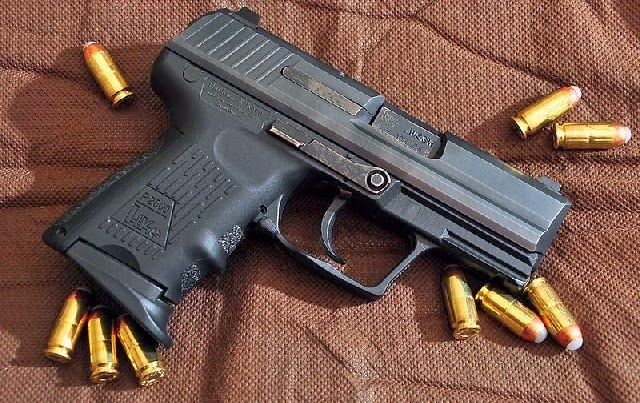
Proper Humidity Control and Ammo Can Organization for Long-Term Savings
Buying discount ammo only saves money if your stash survives the seasons. Proper humidity control and ammo can organization for long-term savings starts with silica gel desiccant packs inside every sealed can—recharge them in a low oven every few months to avoid moisture-induced corrosion. Store cans off concrete floors, where temperature swings cause condensation, and never open a can on a humid day without resealing it immediately. For organization, label each can by caliber, lot number, and purchase date; rotate oldest stock to the front. Stacking cans vertically risks crushing primers at the bottom, so keep them upright and limit weight per can to 40 rounds of rifle or 100 of pistol. Follow this sequence:
- Dry-fire the can interior and wipe the gasket clean.
- Add two desiccant packs per 50-round capacity.
- Seal, label, and log the date Ammunition for Sale on a master inventory sheet.
This discipline keeps bargain brass and bullets cycle-ready for years, turning initial 9mm Ammo for Sale discounts into durable savings.
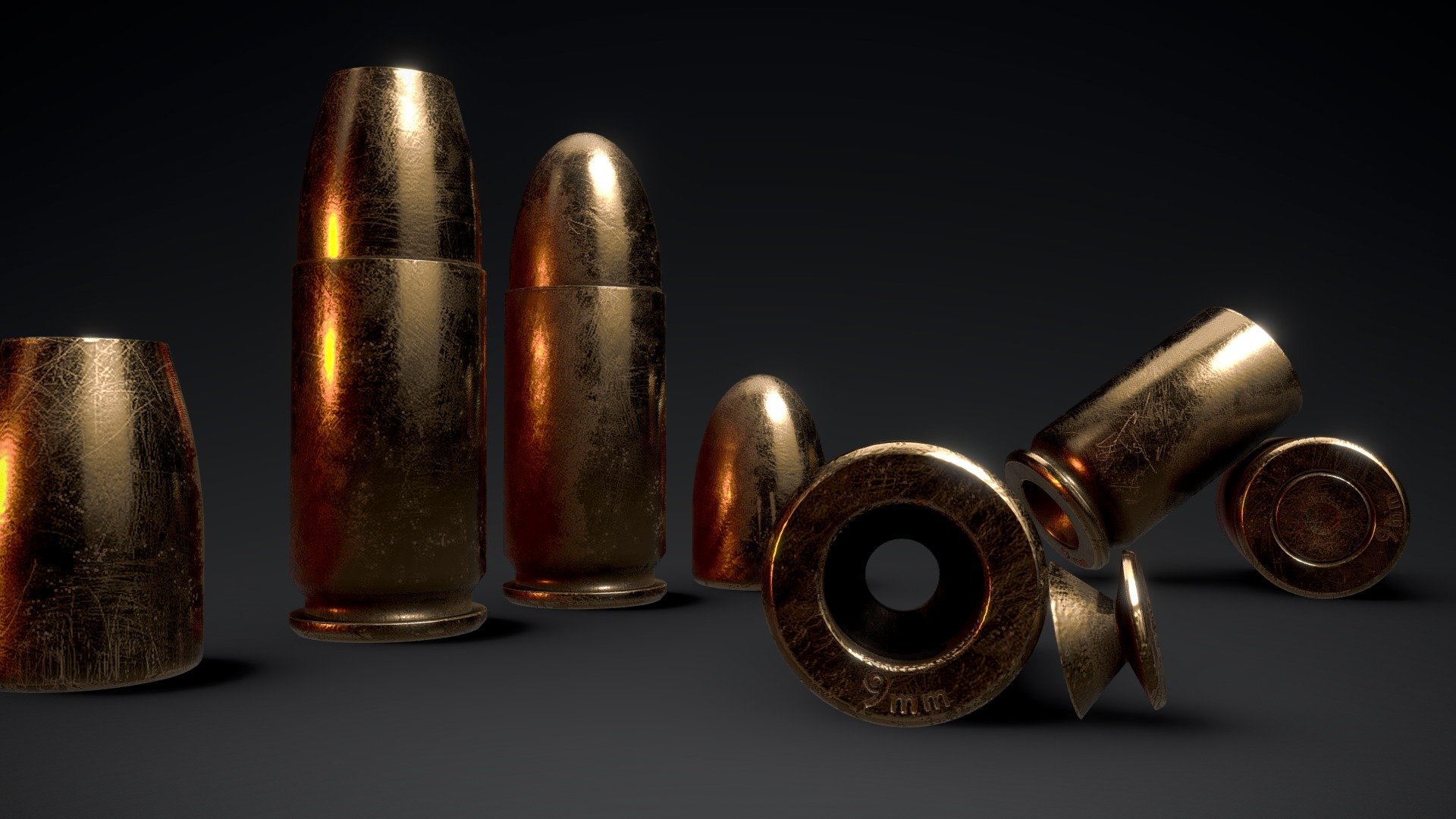
Rotating Your Inventory: How to Use Older Boxes First Without Waste
When you buy discount ammo in bulk, rotating your inventory prevents aging ammunition from becoming unreliable. Always place newer boxes behind older ones on your shelf, so you naturally grab the earliest purchase first. Check the headstamp or purchase date marker on each box to confirm which lot is oldest before loading your range bag. Using a simple first-in, first-out system only works if you consistently replace spent boxes with the newest stock from your last shipment. This practice avoids the waste of discovering corroded primers or weakened propellant in forgotten bottom-layer boxes years later.
- Write the purchase month and year on each box lid with a permanent marker for quick identification.
- Dedicate one shelf section to active stock and move older boxes to the front after every new delivery.
- Use older boxes for high-volume range sessions, reserving newer ones for storage or precision loads.
Checking for Corrosion or Dents Without Opening Every Single Box
When buying discount ammo, you can spot problems without unsealing every box by inspecting the exterior for telltale signs. Check the cardboard for oil staining, rust-colored dust, or a fine powder, which indicates moisture or corrosion inside. Dents on the box corners often suggest rough handling that can crush case mouths. Weigh a few boxes on a small scale—consistent mass excludes missing or damaged rounds. Gently shake each box; a muffled, solid rattle signals intact cartridges, while a hollow or metallic clatter hints at loose bullets or cracked primers. This method lets you screen bulk ammo for hidden damage in seconds, preserving seals until you are ready to shoot.
Solving Common Frustrations: Misfeeds, Dirty Barrels, and Accuracy Worries
Discount ammo often causes misfeeds because of inconsistent case dimensions or weak primer seating, but you can solve this by switching to a round with a proven, consistent feed profile and lightly polishing your feed ramp. Dirty barrels from budget powder are a given, so run a bore snake with solvent every 50 rounds—not after every session—to keep fouling from turning into accuracy-killing carbon rings. For accuracy worries, don’t blame the price; test three cheap brands at 25 yards to find which your barrel “likes,” then stick to that lot number.
Most “bad ammo” problems vanish once you match the load’s velocity to your gun’s recoil spring.
A hotter discount load cycles reliably, while a weak one short-strokes—solve that first, and your groups tighten instantly.
Quick Fixes for Cycling Issues in Semi-Autos When Using Value Packs
When budget-friendly value packs trigger sluggish cycling in your semi-auto, start by inspecting the recoil spring and extractor tension, as weak springs amplify the dirty, underpowered loads typical of discount ammo. Swap in a lighter recoil spring to let the slide cycle fully despite reduced gas pressure, and polish the feed ramp to eliminate hang-ups from inconsistently crimped cases. Also, test a hotter lubricant on the rails—dry friction sabotages cheap powder’s marginal impulse. If failures persist, switch to a higher-power magazine spring; it forces rounds up faster against the bolt. These tweaks turn 9.3x72R Ammo for Sale frustrating misfeeds into reliable plinking sessions, saving your range day without abandoning those wallet-friendly boxes.
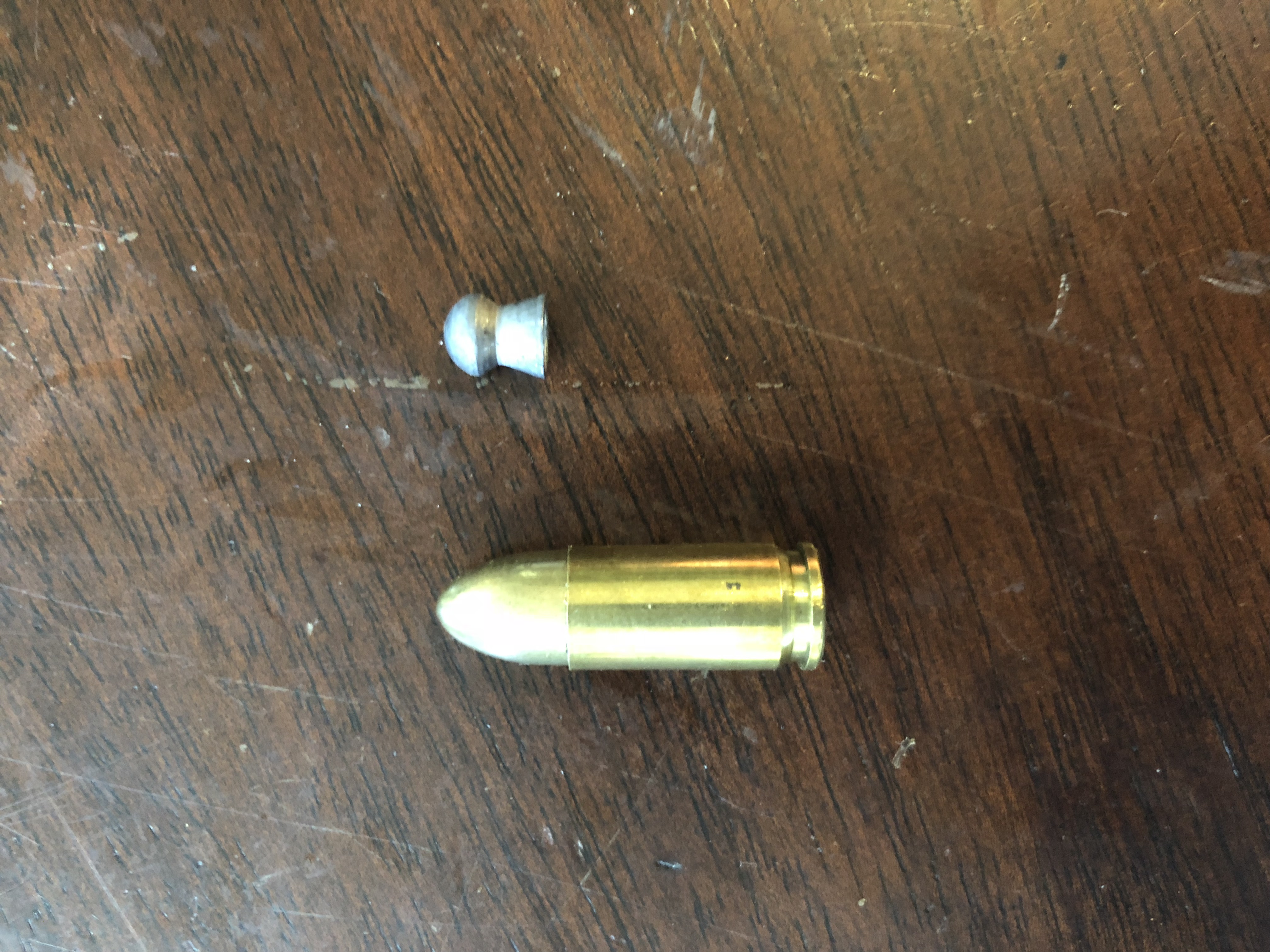
How Much Extra Cleaning Your Firearm Really Needs After Cheap Range Sessions
After a cheap range session, your firearm rarely needs a full field-strip scrubbing, but it does need targeted attention. Budget ammo often leaves more carbon fouling and powder residue, especially in the chamber and locking 7mm Rem Mag Ammo for Sale lugs. You don’t need to obsess over a spotless bore—accuracy worries arise from heavy lead or copper buildup in the rifling, not just surface soot. Run a wet patch, let solvent sit five minutes, then run dry patches until they show faint gray. Wipe the bolt face and extractor, and add a drop of oil to rails. That’s it. A deep clean every 500–750 rounds of discount ammo is plenty; over-cleaning can wear components faster than shooting them.
Zeroing Your Optics with Budget Rounds While Still Hitting Tight Groups
Zeroing your optics with budget rounds demands a rigid protocol to ensure your point of impact translates to premium ammunition. First, establish a solid benchrest setup to remove shooter error, then fire a three-shot group at your chosen distance. Because budget rounds often have velocity variations, cold-bore zeroing with discount ammo is critical—your first shot from a clean barrel dictates the true zero. Record that impact, but don’t adjust immediately; fire a second group to confirm consistency. If both groups cluster within 1.5 inches, your zero will hold. Finally, verify at 100 yards with a five-shot string, allowing the barrel to cool between shots. This method isolates ammo quirks from optic alignment, delivering tight groups despite cost-effective cartridges.
- Benchrest and shoot a three-shot group to map initial impacts.
- Fire a second group to confirm repeatability before adjusting windage or elevation.
- Adjust turrets only after both groups show a persistent offset.
- Validate with a cooled five-shot string at the same distance.